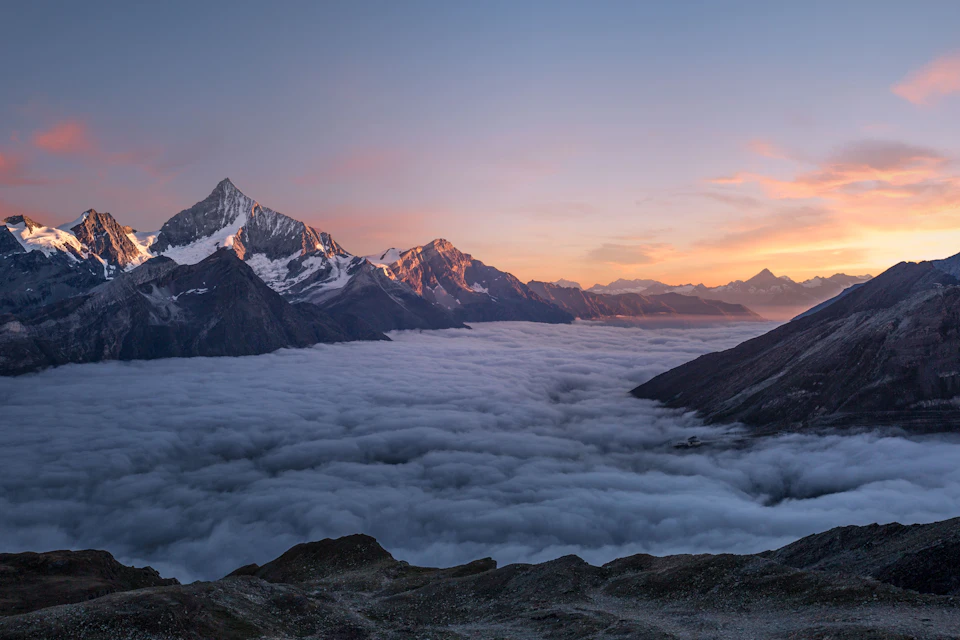
World Overview
ARK 2's single massive map is like 3x larger than The Island which is honestly insane when you really think about how big that actually is.
ARK 2 takes place on a single massive alien planet with no separate maps at launch and tbh I actually like that better because hopping between servers just to access a different biome was annoying in the first game, the world is approximately 150 km² and that's roughly 3x the size of ARK 1's The Island
it features 7 major biomes connected seamlessly via UE5's World Partition streaming so there's no loading screens between zones which is pretty much magic honestly, I mean you can literally walk from a beach to a volcano to a snow mountain without seeing a single loading screen
that level of immersion is what actually made me love this map, ngl the first time I trekked from the Coastal Lowlands all the way to the Snow Tundra I didn't even realize I'd crossed 3 biomes until I started freezing to death and that's when it hit me how enormous this world is, anyway no loading screens means you can fly across the entire thing on a Ptera and it's honestly the best way to scout
you get the idea.

Biome Breakdown
Seven distinct biomes and each one has unique resources and creatures and base building trade-offs and some of them will absolutely murder you if you're not prepared, I learned this the hard way like dying to a Wyvern at level 15 because I was curious and thought I could outrun it which I could not.
Starter zone and it's pretty safe during the day but raptors patrol at dawn and dusk which is when I've died the most honestly because you're just gathering fiber minding your own business and suddenly you hear that screech and it's basically over. Safe during day, raptors patrol at dawn/dusk.
Dense canopy and you can build tree platforms which is awesome for defense but you really gotta watch for Thylacoleo ambushes because those things literally grab you off your mount mid-air and I've lost a perfectly good Ptera this way and it was devastating, like you're flying through the forest feeling safe and then boom you're on the ground being eaten and there's nothing you can do about it. Dense canopy, tree platforms possible. Watch for Thylacoleo ambushes.
Rich high-tier resources everywhere but Wyverns patrol the central lava trench and they will absolutely one-shot you at low levels, I flew too close my first time thinking I could sneak past and nope dead instantly and lost all my gear because my body fell into lava so no corpse retrieval possible, that was a bad day. Rich high-tier resources. Wyverns patrol the central lava trench.
Hazardous as hell and the Kaprosuchus will leap at you from absolutely nowhere which is terrifying the first time it happens but this biome is essential for mid-game Paste and Plant X farming so you kind of have to deal with it, the Sarcosuchus are everywhere and the leeches are annoying af but the cementing paste yields make it worth the pain and honestly I just bring a strong mount like a Spino
clear everything out before I start farming, saves a lot of deaths.
Hazardous but essential for mid-game Paste and Plant X farming.
Best organic polymer in the game hands down but the Yutyrannus fear roars are absolutely deadly and I honestly hate dealing with them because they make your mount panic and run straight into a pack of direwolves or off a cliff which I've had happen and it's a complete nightmare, the cold damage is also brutal so bring fur armor or you'll freeze in like 30 seconds flat,
those blizzards reduce visibility to basically zero which is when the direwolves love to ambush you and that's how I lost my first Mammoth.
Best organic polymer in the game. Yutyrannus fear roars are deadly.
Natural choke points everywhere which makes base defense way easier and I honestly love building here because the canyon walls create these natural kill zones for turrets and it's beautiful, but Deathworms ambush from sand and the first time one of those hit me I literally jumped out of my chair because I had no idea they even existed and the screen shakes and this massive worm erupts from the ground
you're just dead, it's honestly one of the coolest and most terrifying things in the game.
Natural choke points for base defense. Deathworms ambush from sand.
Connects all biomes and it's basically the ultimate PvP base location because it's the hardest to raid and the hardest to build but once you're set up down there you're nearly untouchable, the Reaper Queens are no joke though and Nameless spawn in the dark so you need charge light or you'll get swarmed and die which is terrifying the first couple times, it's high risk high reward imo
probably the most intense base location in the whole game, I tried building down there once and lasted about 20 minutes before a Reaper Queen found me and destroyed everything I had built.
Connects all biomes. Ultimate PvP defense, hardest to raid, hardest to build.
Fast Travel Network
How to move around the 150 km² world without spending half your playtime walking which was basically my entire first week before I figured any of this out and I wish someone had told me earlier.
Late-game fast travel and here's the thing unlike ARK 1 you can fast travel with items in ARK 2 using a Tek Transmitter which is honestly the biggest quality of life upgrade in the entire game, I remember getting my first one and just teleporting stacks of metal back to base instead of doing 15 Argy runs back and forth and it felt like cheating in the best way. Unlocked via boss fights.
Mid-game option that's pretty useful when you don't have Tek yet and you find these at beacon locations scattered across the map but you need an empty inventory to use them so no items transfer which is kind of annoying but better than walking I guess, I've used these a bunch to bounce between bases when I was too lazy to fly and it's fine for what it is.
Respawn only teleportation so no items transfer but honestly this is the most basic fast travel and you should have beds everywhere on the map, I place them strategically across biomes for quick death respawn travel and it's saved me so many times I can't even count, sleeping bags are single-use but they're cheap to craft and you get the idea you just make a bunch and scatter them around like mobile respawn points.
Pteranodon for early game then Argentavis for mid game then Quetzal for late game, and the Quetzal platform saddle is an absolute game changer because you can build a mobile base with crafting stations and storage for extended exploration runs, I've spent like 20 hours just flying around on a Quetzal base and it's honestly the best way to experience the map because you can see everything from above and land wherever you want
carry resources back without making 50 trips, anyway flyers are basically the most important thing in the game and I will die on this hill.
Map FAQ
Common questions about the ARK 2 world that I definitely asked myself when I started and probably things you're wondering too if you're new here.